
Last updated October 31, 2026
Seasonal Insulation Care for Rancho Santa Margarita: Year-Round Homeowner’s Guide
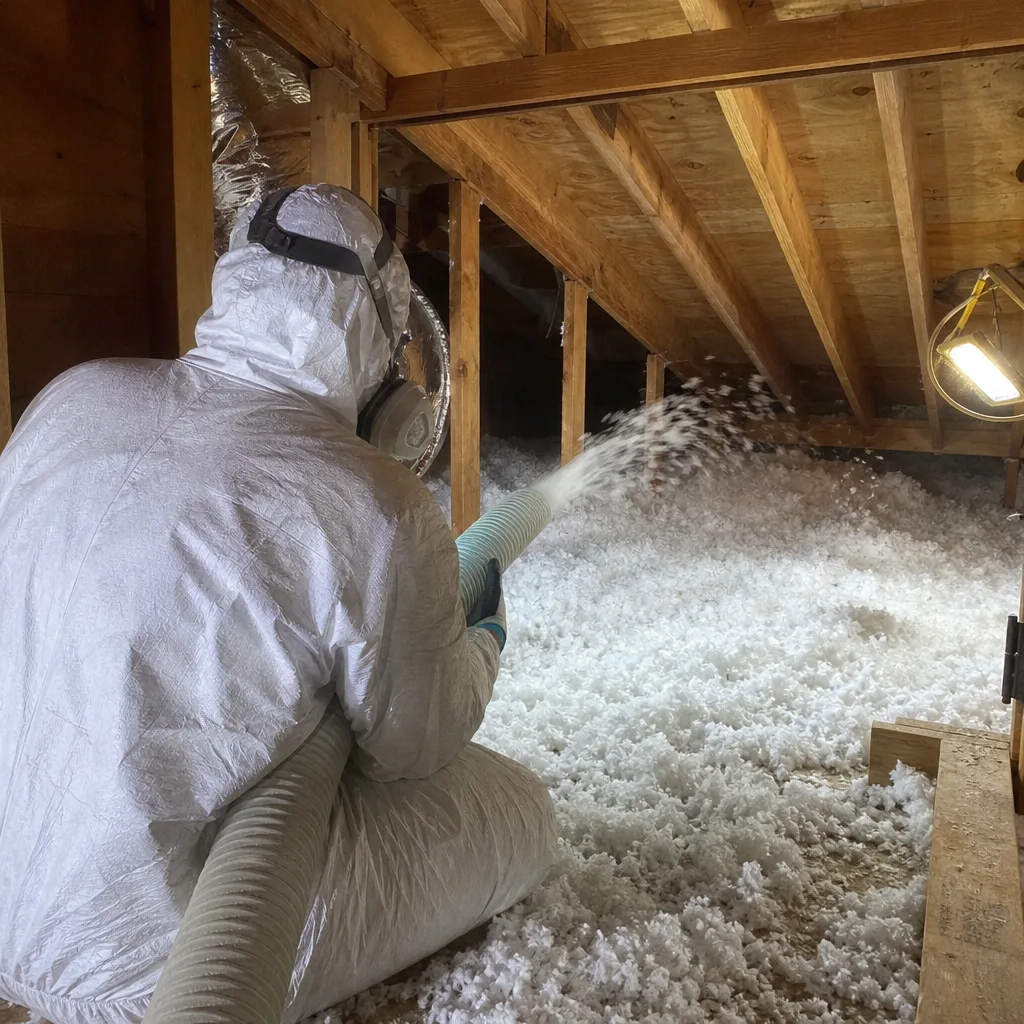
Rancho Santa Margarita homeowners spend more on summer cooling than almost anywhere else in Orange County. Not because their air conditioners are undersized or inefficient, but because attic temperatures in this inland canyon city regularly climb past 150°F between June and September, a thermal load that coastal neighbors in San Clemente or Laguna Niguel simply never experience. If your insulation was installed once and never inspected again, you’re paying for that oversight every single month. This guide explains exactly how Rancho Santa Margarita’s four distinct seasonal stress patterns affect your insulation, what to check each quarter, and when a small maintenance step now prevents a four-figure energy bill later. For more, explore our more guides & resources.
Quick Answer
Seasonal insulation care in Rancho Santa Margarita means inspecting and maintaining your attic insulation four times per year: before summer heat (radiant barrier and ventilation baffle checks), after fall Santa Ana wind events (air-sealing verification), during winter cold snaps (depth and settling assessment), and each spring (full inspection and upgrade window). The goal is catching compression, moisture damage, and air leaks before they compound into measurable energy loss, which in RSM’s inland canyon climate happens faster than homeowners expect. Follow our Attic Insulation Maintenance Checklist for Rancho Santa Margarita Homeowners for a step-by-step approach.
Table of Contents
- Summer (June – September): Radiant Heat, Ventilation, and the 150°F Attic Problem
- Fall Santa Ana Season (October – December): Wind-Driven Air Sealing Failures
- Winter (December – February): Below-40°F Nights and the Heating Load Nobody Budgets For
- Spring (March – May): The Optimal Inspection and Upgrade Window
- How to Build a One-Page Annual Insulation Log
- Warning Signs Your Insulation Needs Attention in Rancho Santa Margarita
- Common Mistakes to Avoid
- When to Call a Professional
Summer (June – September): Radiant Heat, Ventilation, and the 150°F Attic Problem
Here’s what most RSM homeowners don’t realize: your attic insulation has two jobs in summer, and R-value only addresses one of them. Insulation slows conductive heat transfer, which is heat moving through solid materials. But in Rancho Santa Margarita, the dominant summer heat load is radiant, not conductive. The sun beats down on your roof deck, the roofing material absorbs that energy, and the underside of the roof re-radiates infrared heat directly onto whatever sits below it, including your insulation layer and everything beneath it.
That’s why attic temperatures in RSM hit 150°F and beyond on sustained high-sun days in July and August while the outdoor air is only 90°F. The heat isn’t coming through the air; it’s radiating off the roof deck. Standard fiberglass batts (Owens Corning or Johns Manville products, for example) are rated by R-value for conductive resistance, but they do comparatively little against direct radiant transfer.
This is where two often-overlooked components become critical seasonal maintenance priorities:
1. Attic Ventilation Baffles
Baffles are the channels that keep soffit vents open and direct airflow from the eaves up to the ridge or attic vents. In RSM, dust from the surrounding hills, combined with occasional roof debris, settles into these channels over time. When baffles get blocked or pinched by insulation, the attic’s natural convection current stalls, and trapped heat turns the space into a convection oven. We’ve opened attics in Rancho Santa Margarita in August where the heat load was so severe that stored plastic bins had warped. Before peak heat arrives in June, verify that soffit vents are clear and baffles are unobstructed.
2. Radiant Barriers and Reflective Surfaces
If your attic has a radiant barrier installed on the underside of the roof deck, summer is when it earns its keep. A clean, properly installed radiant barrier reflects a significant portion of infrared energy before it reaches your insulation. But dust coating, tears from previous roof work, or improper installation (draped over insulation instead of stapled to rafters with an air gap) degrades its performance substantially. In our experience serving Rancho Santa Margarita, homes with intact radiant barriers run attic temperatures 20 to 30 degrees cooler on peak summer days than homes without them.
What to check before June:
- Soffit vents for blockage (paint overspray, dust, insect nests)
- Baffle positioning at every rafter bay
- Radiant barrier condition if present
- Insulation depth uniformity across the attic floor
- Any signs of heat-related damage from the previous summer (brittle wiring insulation, melted plastic vent components)
Fall Santa Ana Season (October – December): Wind-Driven Air Sealing Failures
Rancho Santa Margarita sits in a canyon corridor that funnels Santa Ana winds with particular intensity. When sustained winds exceed 40 mph and gusts push past 60 mph, your home’s thermal envelope gets pressure-tested in a way that calm coastal air never does. Wind hitting the windward side of your house creates positive pressure, while the leeward side and attic experience negative pressure. The result: outdoor air gets pushed in through any gap on one side while conditioned air gets pulled out through any gap on the other.
The problem is that many air-sealing deficiencies are completely invisible during normal weather. A recessed light fixture that leaks 3 CFM (cubic feet per minute) in still air might leak 30 CFM under Santa Ana wind pressure. That’s ten times the air exchange, and it’s heated or cooled air you’ve already paid for leaving your home.
After a major Santa Ana event, inspect these specific spots:
- Attic access hatch or pull-down stair perimeter – wind pressure flexes the frame and breaks dried weather stripping. This is the single most common leak point we find in Rancho Santa Margarita homes after wind events.
- Recessed can light housings – older non-IC-rated fixtures have vent holes that dump conditioned air into the attic. The gasket seals also degrade with age and heat cycling.
- Top plate gaps – the joint where interior walls meet the attic floor. Drywall is sealed here during construction, but years of wind-driven pressure can crack the mud and open hairline gaps along entire wall lengths.
- Plumbing and electrical penetrations – vent stacks and wire runs through the attic floor create cylindrical gaps that foam and caulk eventually pull away from.
- Attic-mounted HVAC duct connections – flex duct collars loosen under repeated pressure cycling and vibration, especially where ducts connect to register boots in the ceiling.
If you upgraded your insulation in Rancho Santa Margarita but skipped air sealing, Santa Ana season is when that gap in the work shows up. Insulation slows heat transfer; it does not stop airflow. You need both, and the wind season is the most honest diagnostic tool you’ll ever get for free. For a deeper look at how insulation and air sealing interact, visit our Attic Insulation in Rancho Santa Margarita page.
Winter (December – February): Below-40°F Nights and the Heating Load Nobody Budgets For
Rancho Santa Margarita doesn’t get cold by Midwest standards, but here’s the number that matters: nighttime lows in the winter months routinely dip below 40°F, and canyon-bottom cold air pooling can push some RSM neighborhoods into the mid-30s. When your indoor thermostat is set to 68°F and the outdoor temperature is 37°F, you have a 31-degree temperature differential working against you. Heating a home with a 30+ degree differential takes real energy, and if your attic insulation is inadequate, that’s where the heat goes first.
Heat rises. It always rises. In winter, your furnace or heat pump warms the air in your living space, and that warm air migrates toward the attic through every penetration and gap. If your attic insulation is compressed, uneven, or insufficient for your climate zone, the warm air you paid to produce escapes through the roof rather than staying where you can feel it.
Here’s the insight most Rancho Santa Margarita homeowners miss: many residents upgraded insulation specifically for summer comfort and cooling savings, then didn’t notice the winter benefit because gas bills are smaller in absolute dollars than summer electric bills. But proportionally, the winter savings are often larger. A properly insulated attic in RSM reduces heating energy consumption by 20 to 40 percent depending on the starting condition, and since winter heating costs are driven by a lower but still significant temperature differential, the payback compounds year-round.
What to check during winter:
- Settling and compression – blown-in fiberglass and cellulose settle over time. If you installed R-38 loose fill five years ago, you might be at R-30 today. Measure actual depth during winter, not just what the receipt says.
- Moisture from condensation – cold attic surfaces meeting warm, moist air from the house creates condensation. Look for damp insulation, water stains on roof sheathing, or frost accumulation on the underside of the roof deck on cold mornings.
- Insulation displacement from prior work – if a contractor worked in your attic (HVAC, pest control, electrical) since your insulation was installed, they likely moved insulation aside and didn’t put it back. Winter is when that missing coverage costs you the most.
For RSM homeowners weighing material choices specifically for heating performance, cellulose (GreenFiber) performs well in winter conditions because it’s denser than fiberglass and less susceptible to convective air movement within the insulation layer. Mineral wool (Rockwool) also holds its R-value in cold temperatures and adds fire resistance. The right answer depends on your attic configuration and existing materials. Our guide to Blown In Insulation in Rancho Santa Margarita covers material trade-offs in detail.
Spring (March – May): The Optimal Inspection and Upgrade Window
If you only do one insulation-related task this year, do it in spring. Here’s why Rancho Santa Margarita’s spring season, roughly March through May, is the ideal window for insulation inspection and upgrades:
- Attic temperatures are workable. Between March and May, attic temperatures in RSM typically range from 65°F to 90°F. This is the only season when the attic is comfortable enough for a thorough inspection and safe enough for installation work without heat-related time constraints. Summer attics at 150°F are dangerous work environments that limit what any contractor can reasonably do; spring is when thorough work actually happens.
- Contractor availability is better. Every RSM homeowner calls about insulation in July, after the first heat wave makes the problem obvious. By March or April, you’re ahead of the demand spike, which means more scheduling flexibility and time for a considered material decision rather than an urgent fix.
- You inspect after winter damage and before summer stress. Winter condensation issues (if any) will be visible. Santa Ana wind damage from the fall has had time to manifest. And whatever you find, there’s time to fix it before the June heat arrives and the attic becomes an oven again.
- Utility bill baselines are established. By spring, you have a full year of utility data to compare against. You can identify which season is actually costing you the most and make an informed decision about whether an upgrade will pay for itself.
What a spring inspection should cover:
- Total insulation depth and uniformity across the attic floor
- Evidence of moisture, mold, or pest activity (rodents love to burrow in loose fill)
- Condition of air sealing around all penetrations
- HVAC duct integrity in the attic (leaks in ducts make insulation problems worse)
- Ventilation system function (intake and exhaust balance)
- Exterior wall insulation adequacy if accessible (through outlet boxes or exterior penetrations)
If you’re considering spray foam for your Rancho Santa Margarita home, spring is also the right season to install it. The chemistry of spray foam application prefers moderate ambient temperatures, and spring conditions in RSM are ideal. Open-cell foam (Icynene) and closed-cell foam (Demilec) each have specific application windows, and spring provides the most forgiving conditions. Learn more at our Spray Foam Insulation in Rancho Santa Margarita page.
How to Build a One-Page Annual Insulation Log
Most homeowners can’t tell you how much insulation they have, when it was last inspected, or what their energy bills were two years ago. That information gap is expensive. A simple one-page log eliminates it and makes future decisions faster and more accurate.
Here’s how to build one:
- Create a single sheet (paper or digital) with four date rows for each year. Label them Spring Inspection, Summer Check, Fall Post-Wind Check, and Winter Check.
- Record measured insulation depth at three fixed points. Pick three reference locations in your attic (center, near the far gable end, and near the access hatch) and always measure at those same spots. Use a ruler or dowel marked in inches.
- Log your monthly utility costs. Total electric and gas (or total bill if combined) for each month. Note any unusual usage patterns like vacation periods or unusually hot or cold weather.
- Photograph anything you find. Keep phone photos of damaged insulation, moisture stains, pest activity, or air leaks, dated and filed in the same folder as the log. Side-by-side comparisons across years become incredibly valuable.
- Note any repairs or changes. If you add insulation, seal air leaks, replace ductwork, or install a radiant barrier, record the date, what was done, and the product used. Brand names matter here: knowing you have Owens Corning fiberglass versus Johns Manville loose fill makes future decisions faster.
- Review the log annually in spring. Compare current utility costs to the same months from prior years. If the numbers are trending up with no obvious explanation, insulation performance is the first thing to investigate.
This log takes ten minutes per season and pays for itself the first time it prevents an unnecessary full replacement or catches a developing problem early.
Warning Signs Your Insulation Needs Attention in Rancho Santa Margarita
Between seasonal checks, certain symptoms indicate insulation problems—see our Attic Insulation Troubleshooting: Common Problems and How to Fix Them for what to watch for. If you notice any of these in your RSM home, don’t wait for the next quarterly inspection.
- Upstairs rooms are 5+ degrees warmer than downstairs in summer. Heat from the attic overwhelms whatever cooling reaches the upper floor. This is the most common complaint we hear in Rancho Santa Margarita and almost always traces to inadequate attic insulation or poor ventilation.
- Your furnace runs constantly on winter nights. If your heating system seems to cycle on every few minutes even when outdoor temperatures are only in the low 40s, heat is escaping faster than the system can replace it.
- Cold drafts near baseboards, outlets, or light fixtures in winter. Air is infiltrating from outside or the attic, and your paid-for conditioned air is leaking out somewhere else.
- Ice or frost on the underside of the roof deck during cold snaps. This indicates warm, moist air from the house is reaching the roof deck and condensing, a problem that will eventually rot the sheathing.
- Dust, musty smells, or evidence of rodent activity in the attic. Pests displace and contaminate insulation, reducing its effectiveness and creating air quality problems.
- Unexplained increases in energy bills with no change in usage patterns. Insulation doesn’t fail all at once; it degrades slowly. The log you keep will catch this trend a year before you’d otherwise notice it.
Common Mistakes to Avoid
- Adding insulation without addressing air sealing first. Fiberglass and cellulose don’t stop airflow. If you don’t seal the gaps, you’ve just put a thicker blanket over a hole in the wall. Air sealing comes first, always.
- Assuming existing insulation is still at its original R-value. Fiberglass loses effectiveness when compressed, dusty, or damp. Loose fill settles. A 10-year-old attic in RSM typically measures well below its installed rating. Measure, don’t assume.
- Blocking soffit vents with new insulation. When adding material, installers must keep the eave vents clear. If the vents get buried, the attic stops ventilating and the insulation starts absorbing moisture.
- Installing a radiant barrier without an air gap. A radiant barrier works by reflecting infrared energy across an air space. Stapled flat against the roof sheathing with no gap, it becomes a conductor, not a reflector.
- Sealing the attic so tightly that moisture has no escape path. In RSM’s winter conditions, trapped moisture condenses and damages insulation and framing. Ventilation and air sealing must be balanced, not maxed in one direction.
- Using the attic as a storage space that compresses insulation. Plywood decking over attic joists crushes whatever insulation is underneath, reducing its R-value substantially. If you store things up there, build a raised platform above the insulation level.
When to Call a Professional
Some seasonal maintenance tasks are safe and straightforward for homeowners: visually checking depths, clearing soffit vents from the outside, inspecting for obvious moisture stains. But there are situations where calling a specialist saves money and avoids risk. If you find evidence of mold, widespread rodent damage, or water intrusion, the scope of remediation exceeds what most homeowners should attempt. If you’re considering spray foam installation, that’s decisively not a DIY project; the chemistry requires professional application equipment and training. And if your attic inspection reveals inconsistent insulation depths or large bare areas, a full professional assessment is warranted before you invest in new material. Orange County Insulation offers free estimates in Rancho Santa Margarita, call (877) 680-3557 to schedule an attic assessment. We only do insulation, which means we do it better.
Frequently Asked Questions
Inspect your attic insulation at least four times per year in Rancho Santa Margarita: once in spring for a comprehensive review, once before summer heat arrives, once after the first major Santa Ana wind event, and once during the coldest part of winter. Each check takes less than 30 minutes and catches different seasonal failure modes. Call (877) 680-3557 for a professional inspection if you find anything concerning.
Rancho Santa Margarita falls in California climate zone 6 or 7 depending on exact elevation, which typically calls for R-38 to R-49 in attic floors, but many older RSM homes were built to lower standards and measure well below R-30 today. The only way to know what you actually have is to measure the depth and identify the material type. We can tell you exactly what you have and what you need during a free estimate.
Yes, Rancho Santa Margarita’s inland canyon location means winter nights regularly drop below 40°F, with some areas reaching the mid-30s, and a 30-degree indoor-to-outdoor temperature differential is enough to drive significant heat loss through an under-insulated attic. The heating load is smaller than summer cooling in absolute terms, but the proportional waste is often greater.
In many cases, yes, you can add new blown-in insulation on top of existing loose fill as long as the existing material is dry, uncontaminated, and not compressed, but you must address any air sealing and ventilation issues first. If the old material has moisture damage, pest contamination, or mold, removal is necessary before adding anything new. Our Orange County Insulation home page explains what a full assessment includes.
Spray foam’s value in Rancho Santa Margarita depends on your specific home and goals: closed-cell foam adds structural rigidity and an air barrier that performs exceptionally well against Santa Ana wind pressure, while open-cell foam provides excellent acoustic benefits and is more budget-friendly. We carry both Icynene open-cell and Demilec closed-cell products, so the recommendation is based on your situation rather than what we happen to stock. For help deciding, see our guide to Choosing the Right Insulation Brand: A Buyer’s Guide for Rancho Santa Margarita.
Fiberglass batts can last 30+ years if kept dry and undisturbed, loose fill typically performs well for 15 to 20 years before settling reduces its R-value meaningfully, and spray foam can last the life of the home if properly installed, but Rancho Santa Margarita’s seasonal temperature swings, Santa Ana winds, and dust levels accelerate degradation compared to milder coastal climates. Annual inspection is the only reliable way to know when your specific material has declined.
The Bottom Line
Rancho Santa Margarita’s insulation demands more attention than most homeowners give it. Summer radiant heat pushes attic temperatures past 150°F. Santa Ana winds expose air leaks that calm weather hides. Winter nights below 40°F drive heat loss that shows up on gas bills. Spring is the season to act, while attics are workable and contractors are available. The pattern matters: insulation degrades gradually, and the cost of neglect compounds quietly. A four-season maintenance routine, supported by a simple annual log, catches problems before they become expensive. If you’d rather have a trained eye on it, we’re here. We only do insulation, and we’re happy to tell you exactly what we find. Call (877) 680-3557 for a free estimate in Rancho Santa Margarita.
Written by the team at Orange County Insulation, serving Rancho Santa Margarita since 2013.