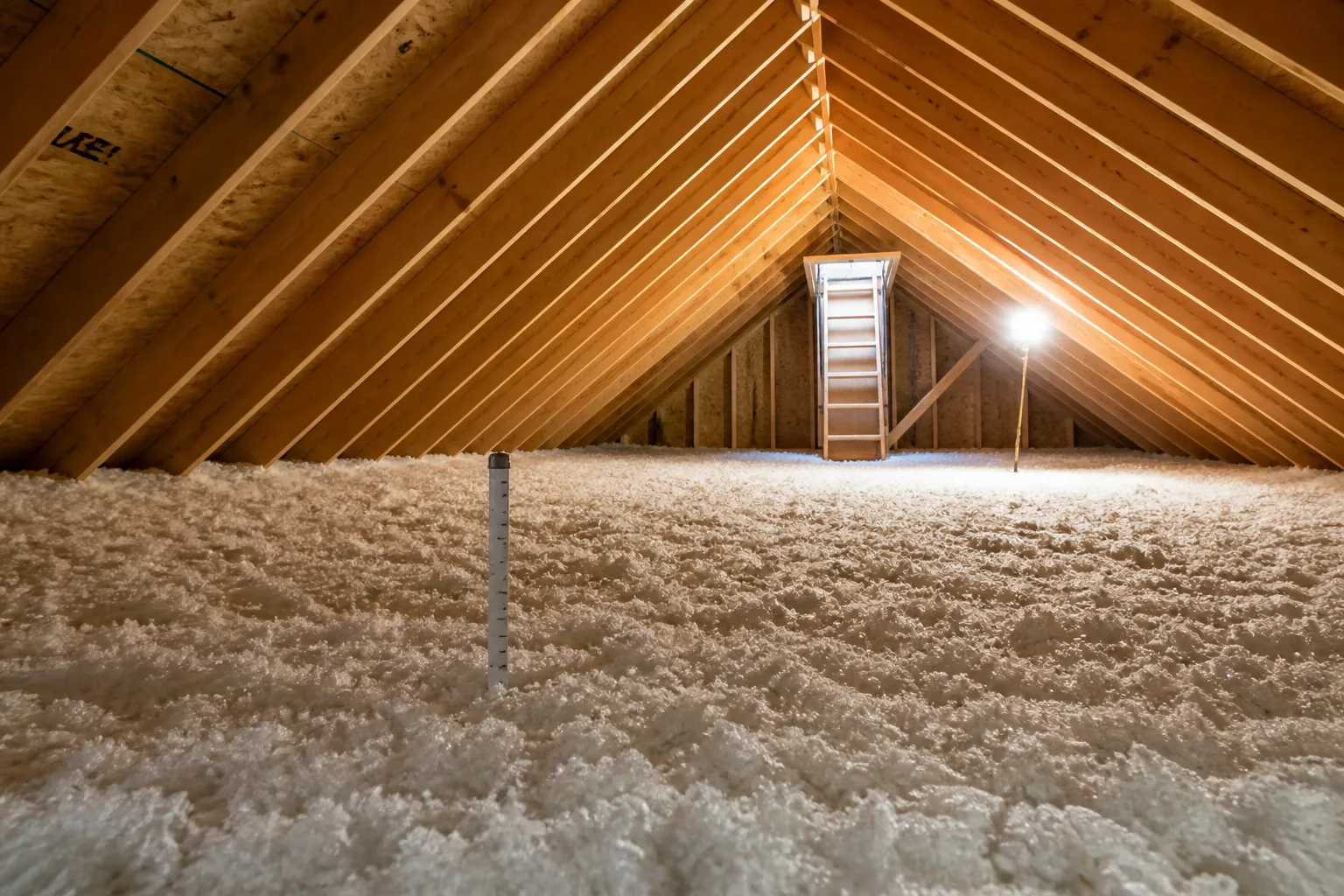
Attic Insulation
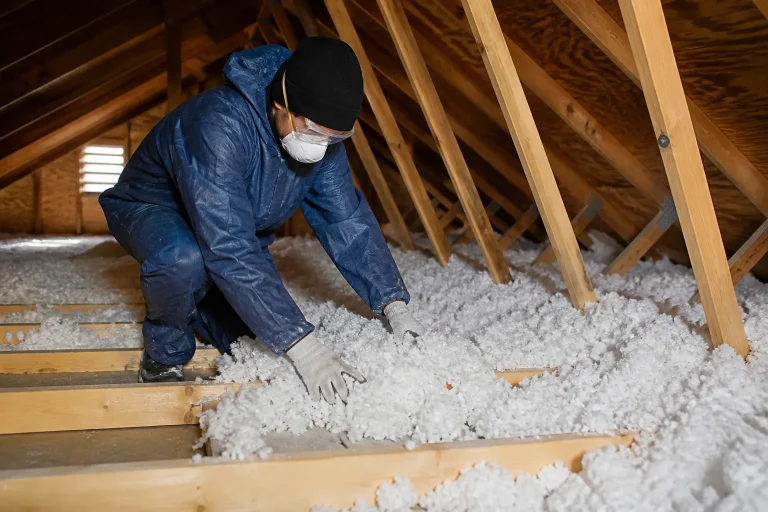
Attic insulation brought to an even depth, with air leaks sealed and vent channels kept clear.
Explore attic insulation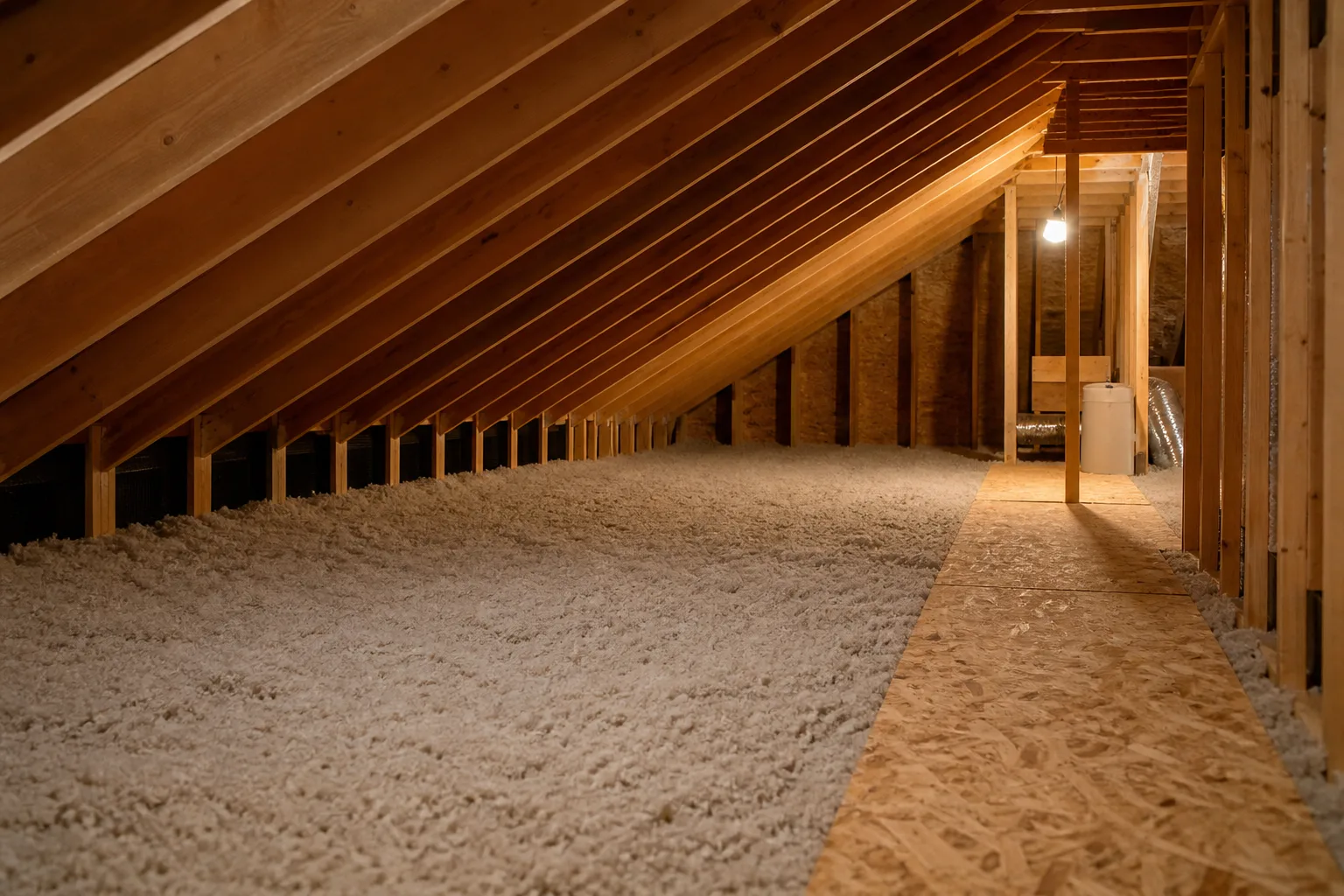
Attic insulation, spray foam, crawl spaces and air sealing for homes in Rancho Santa Margarita and the towns around it. A free estimate on site and one written price.
Work is performed by our local vetted partner.
5.0/5 rating · Serving Rancho Santa Margarita and nearby
See the signs that a home needs insulation work and the choices for each part of the house.
See the signsFollow a job from the attic inspection to the final check, and see what moves the price.
How a job goesBook a free estimate and get a written, line-item price for the work.
Book an estimateAttic insulation brought to an even depth, with air leaks sealed and vent channels kept clear.
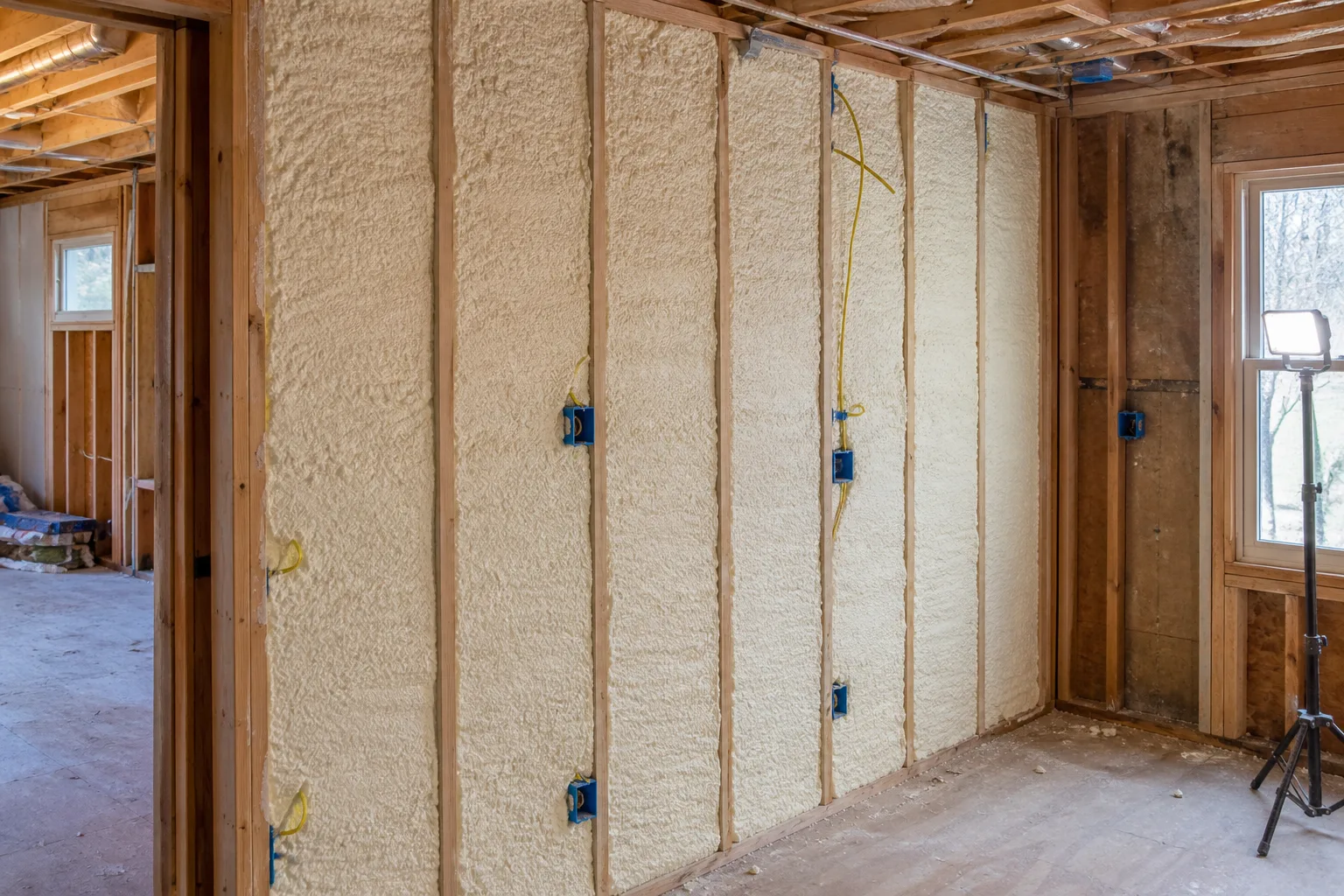
Explore attic insulationSpray foam that insulates and seals in one step: rim joists, garage ceilings, roof decks and wall cavities.
Explore spray foam insulationMost insulation problems are easy to feel before they are easy to see. If you notice any of these, a short visit can tell you what is going on.
A bedroom that stays hot in summer or cold in winter often points to thin or uneven insulation above or around it.
If the system runs constantly, the house may be losing the air it just paid to condition.
Leaks in the shell let outside air in, and air sealing is often done before new insulation goes in.
If you can see the tops of the joists, or the insulation looks flat, damp or dirty, it is not doing its full job.
Heat that builds up under the roof moves down into the rooms below.
Moisture in a crawl space can affect the framing and the floors above.
Droppings, nesting or chewed insulation mean it needs cleaning and probably replacing.
Not sure? A short call is enough to sort out what needs a look first.
Pick a part of the house or a type of insulation to see what it covers, how it starts and one thing worth knowing first.
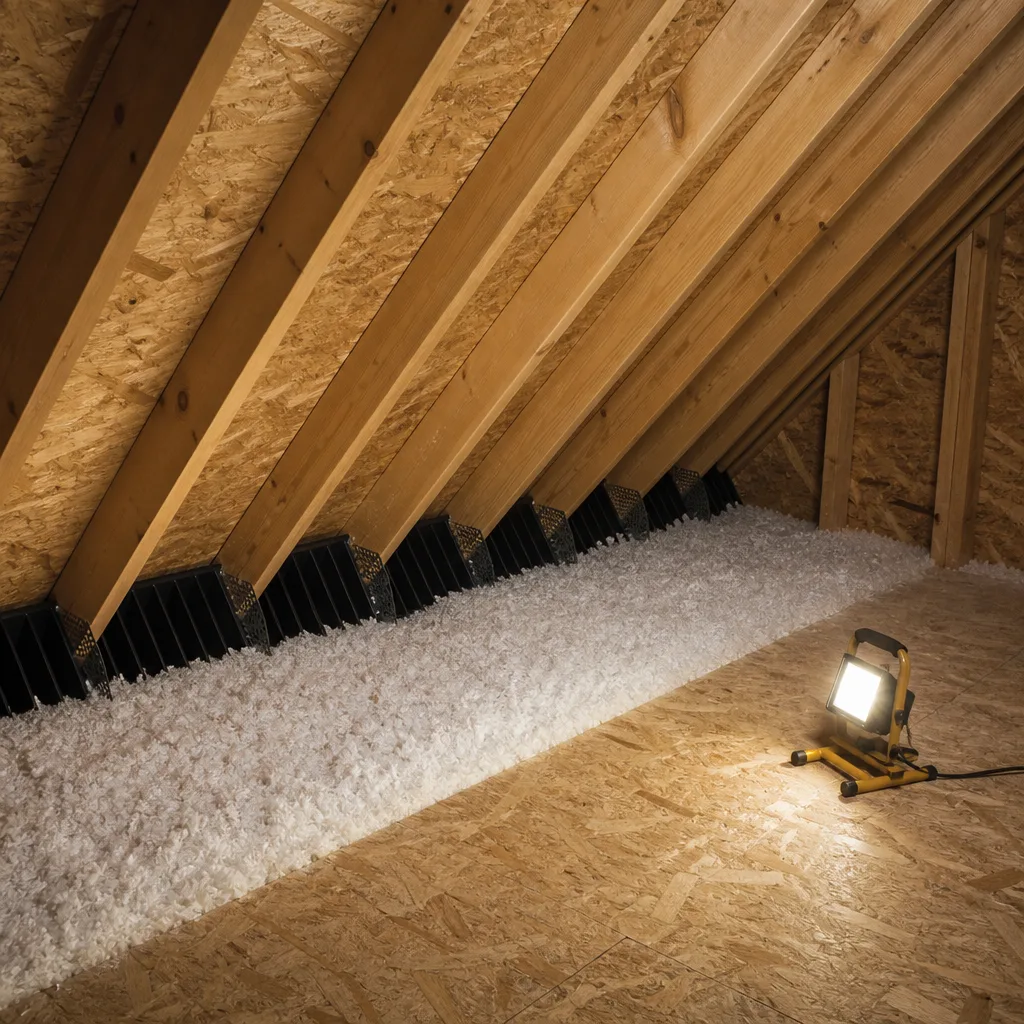
What it covers: New or topped-up insulation across the attic floor, vent baffles at the eaves and the attic hatch sealed and insulated.
How it starts: With a look in the attic: what is there, how even it is and where air is getting through.
Good to know: Insulation only works if the air channel at the eaves stays clear, so baffles go in first.
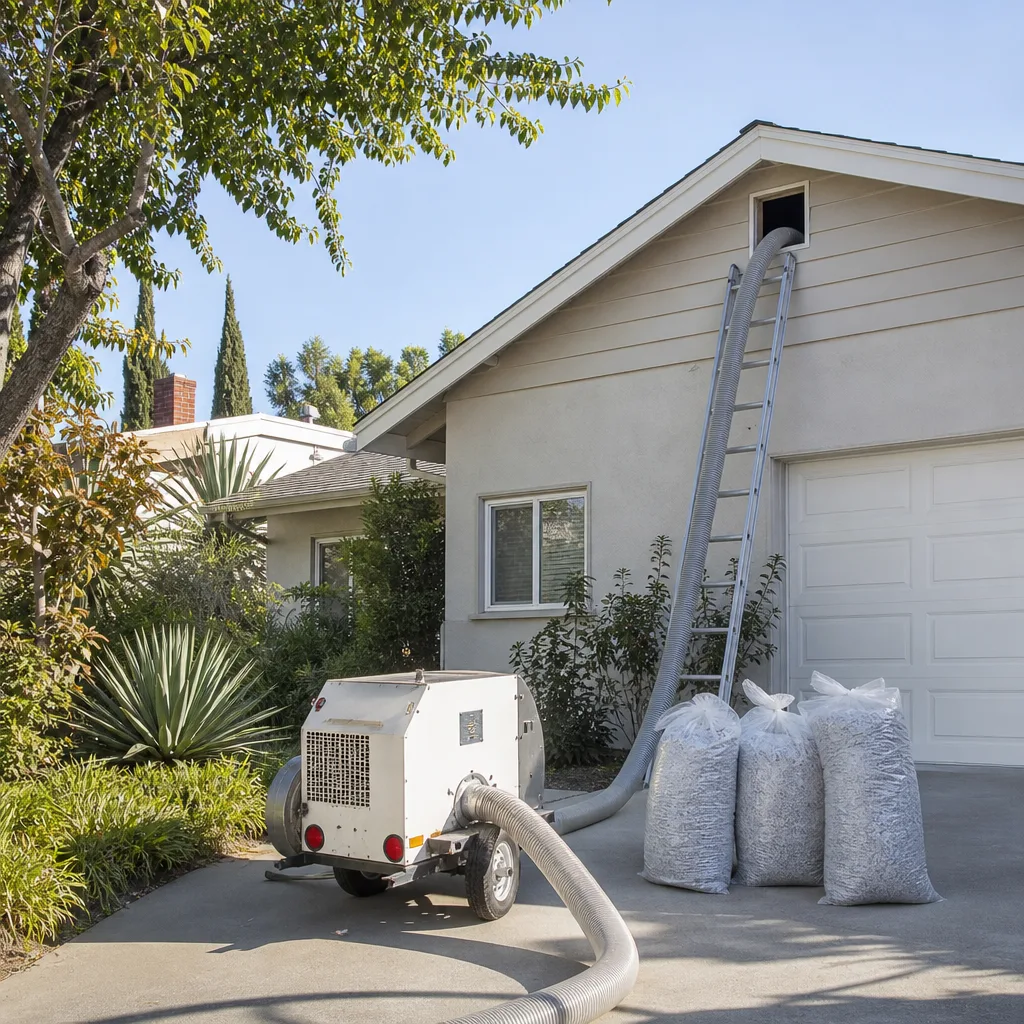
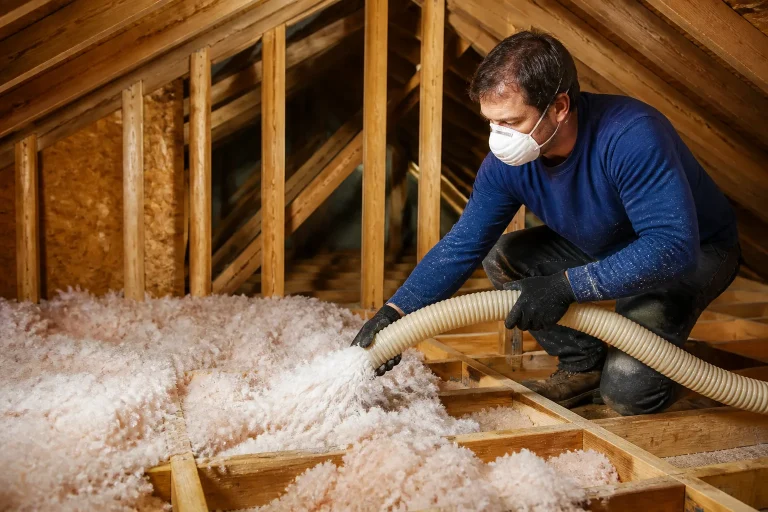
What it covers: Loose-fill cellulose or fiberglass blown over attic floors and, in dense-pack form, into closed wall cavities.
How it starts: With the depth and the area measured so the right amount of material is ordered.
Good to know: Loose-fill settles a little over time, so the starting depth is set with that in mind.
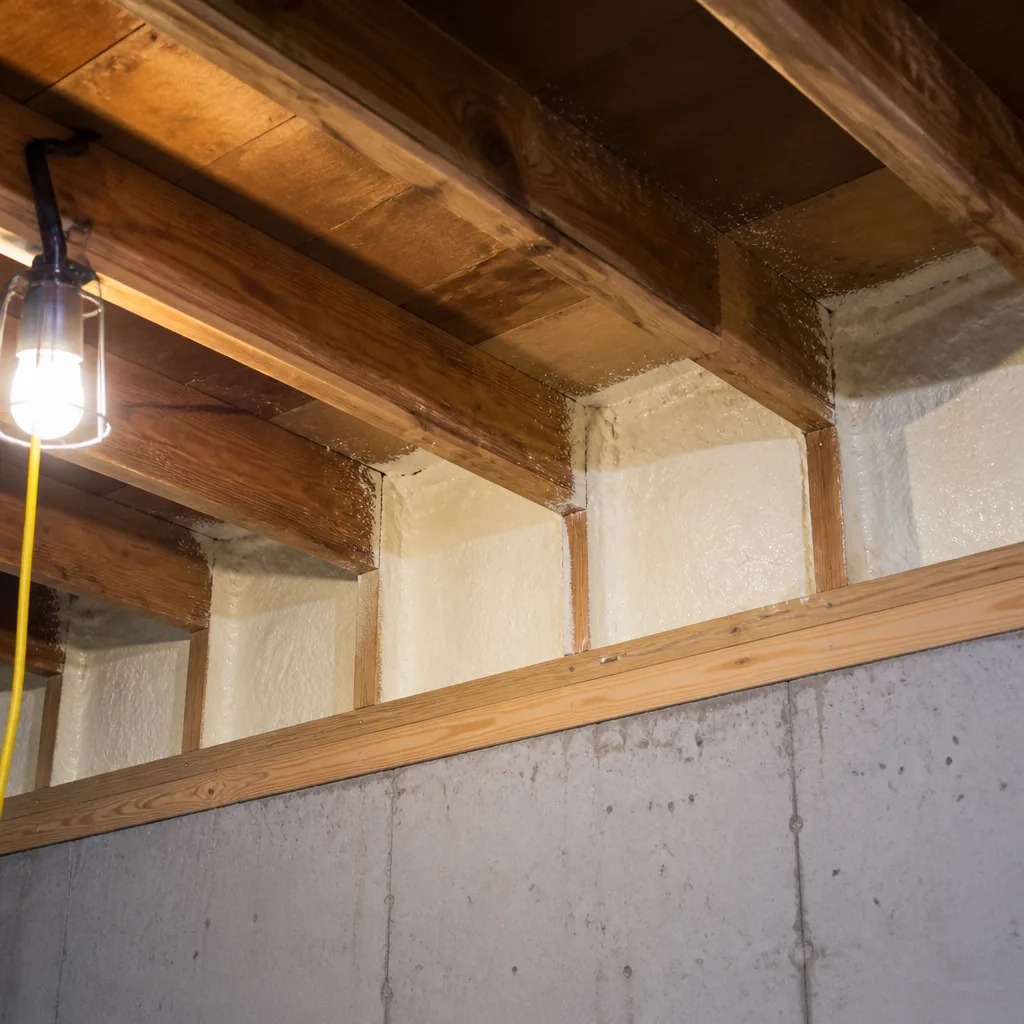
What it covers: Open-cell and closed-cell foam for rim joists, garage ceilings, roof decks and wall cavities.
How it starts: With a plan for which areas get foam and which are better served by another material.
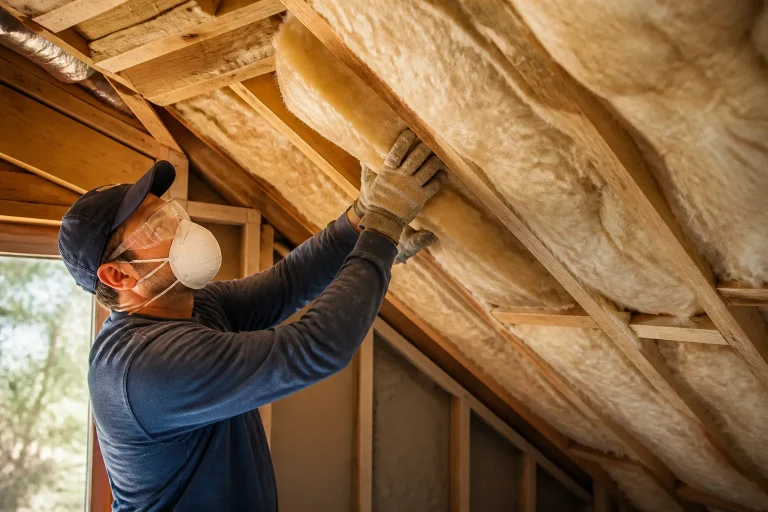
Good to know: Foam is applied by trained technicians in protective gear, and the work area is kept clear while it cures.
Thin, uneven or damaged insulation is easy to spot once you know what to look for. This is the difference a proper top-up makes.
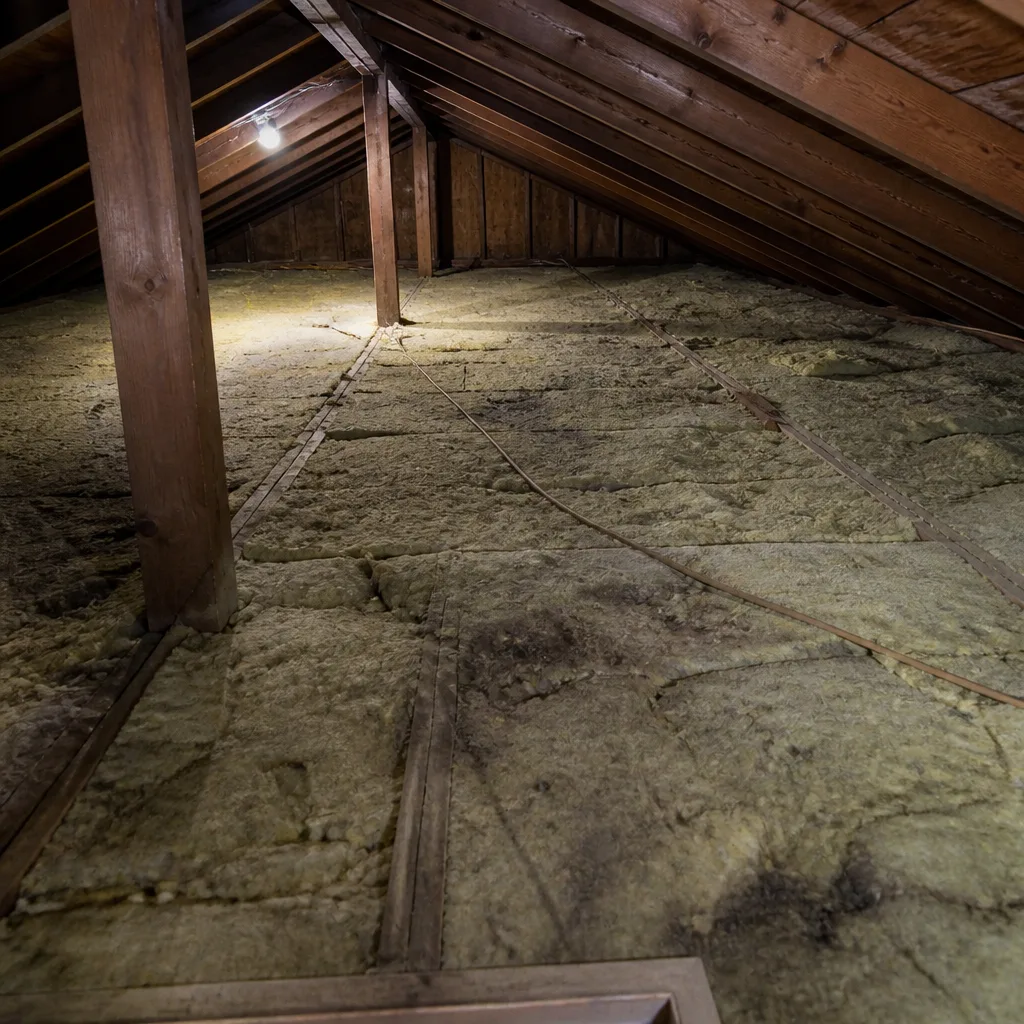 Before
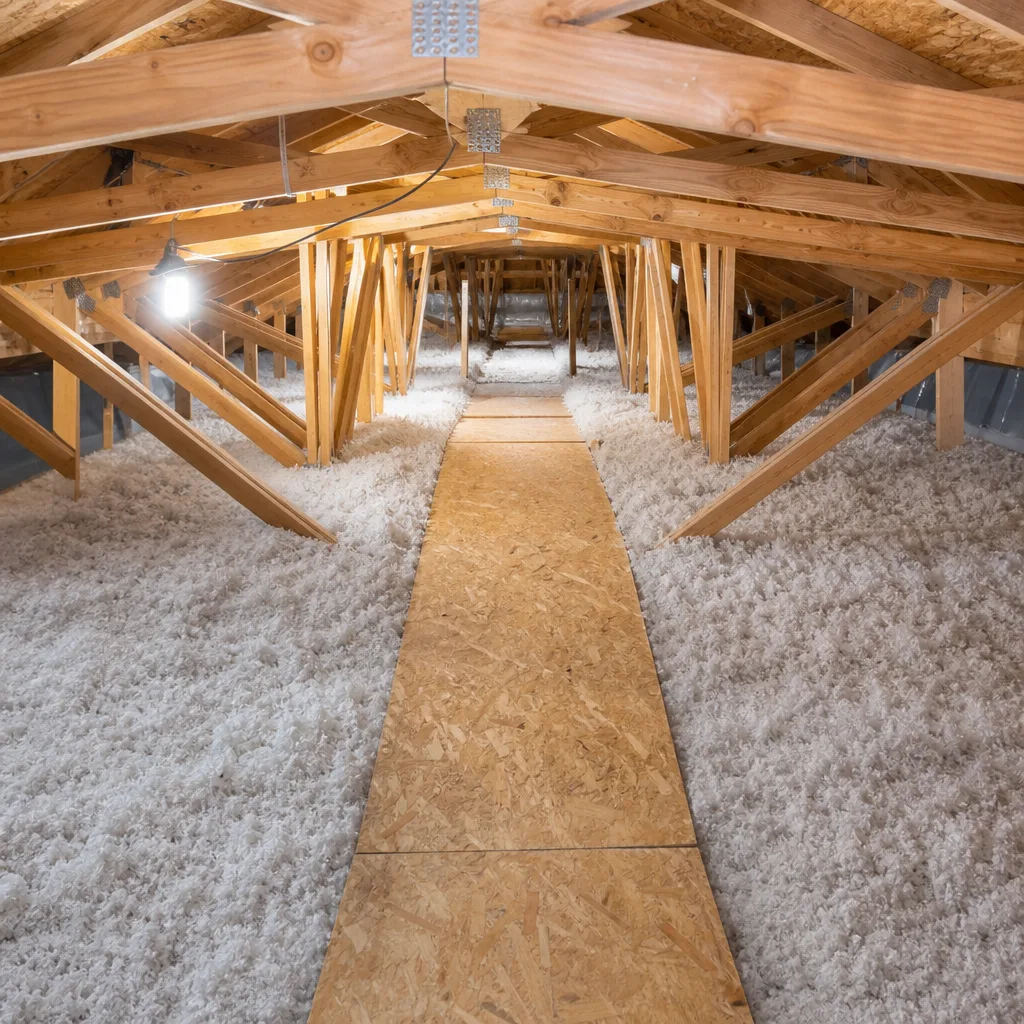 After
Illustration of a typical attic, not a specific home.
No single material is right everywhere. This is how the common ones differ.
Suited to open attic floors and, in dense-pack form, closed wall cavities.
Good to know: It settles a little over time, so the starting depth matters.
Suited to tight spots, rim joists, garage ceilings and roof decks, and anywhere air leaks.
Good to know: It insulates and seals air in one step, and it is applied by trained technicians in protective gear.
Suited to open wall and floor framing, especially in new or opened-up walls.
Good to know: They only work well when cut to fit snugly with no gaps.
Every job starts with a free estimate and a written price. After that it goes like this.
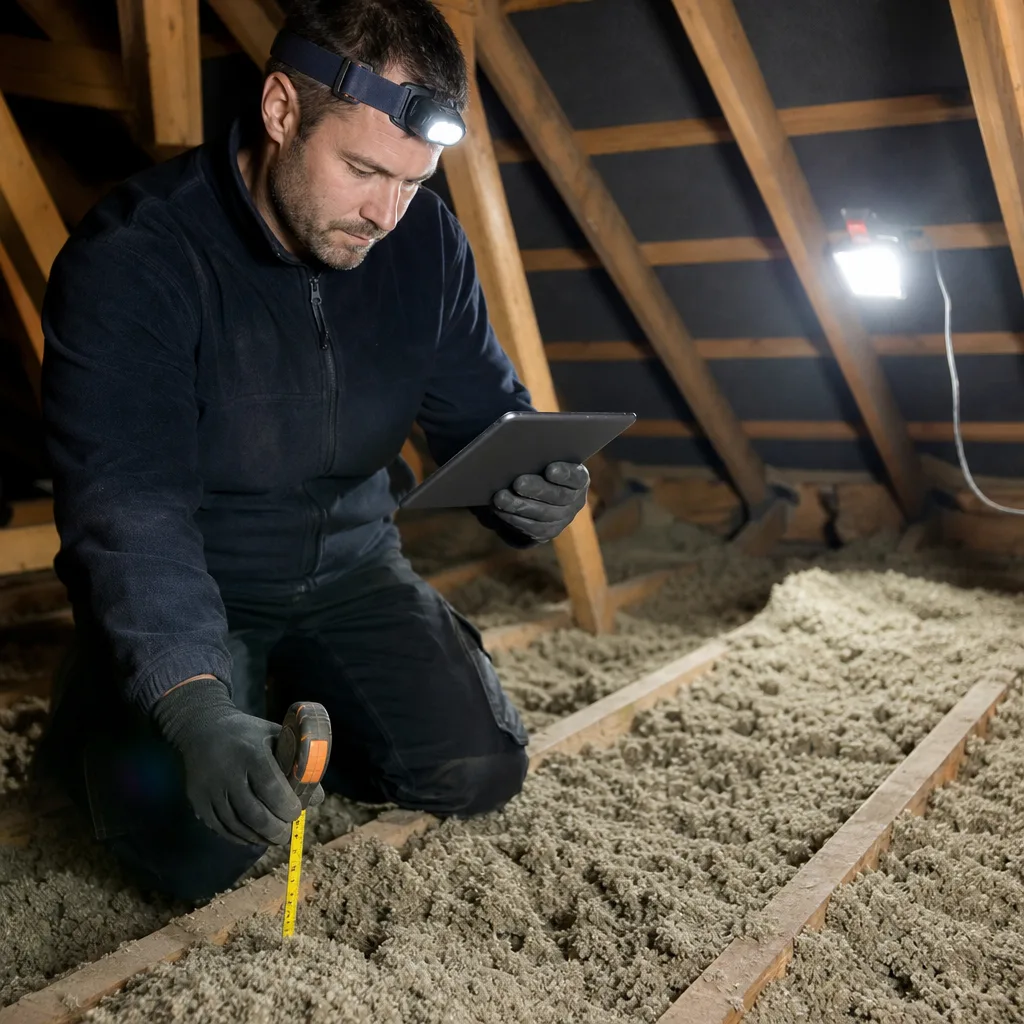
A technician checks the existing insulation, the ventilation and the air leaks, and measures the space.
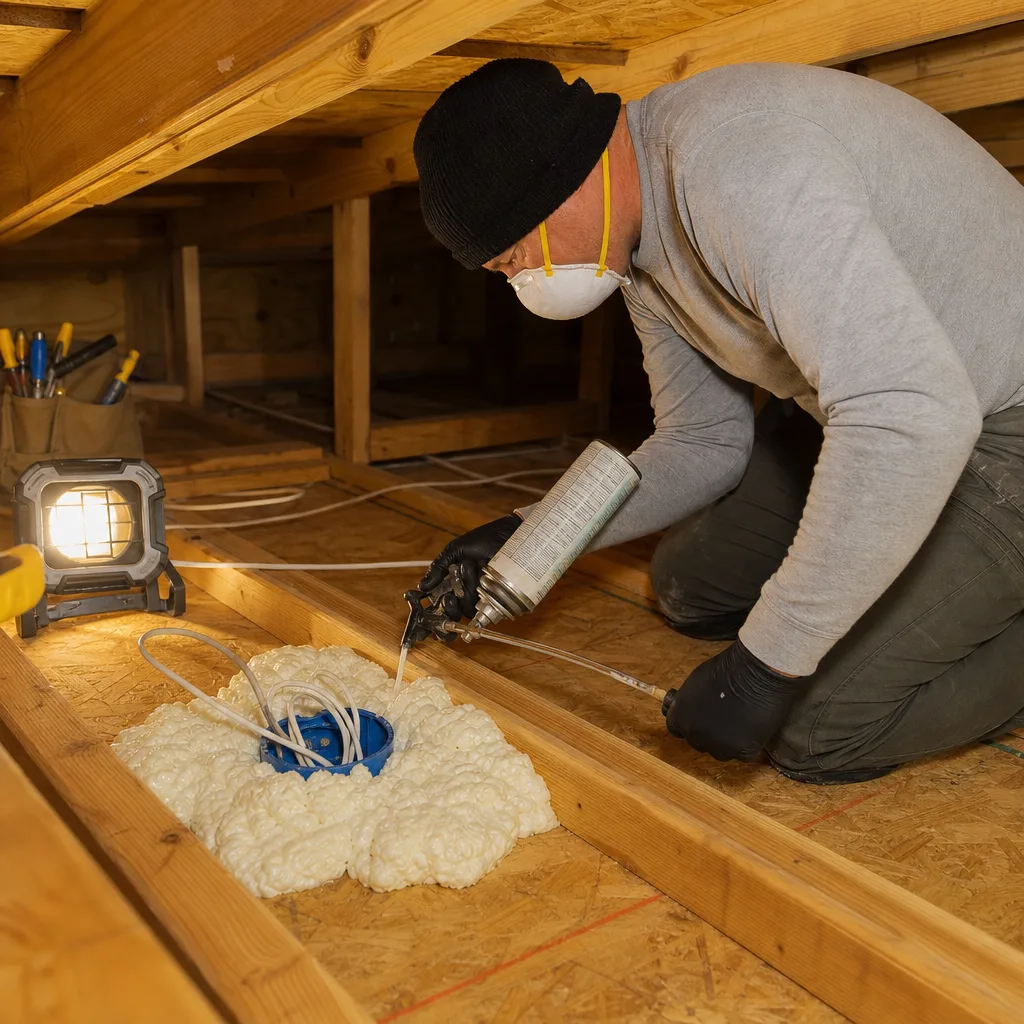
Gaps around wires, pipes, vents and the attic hatch are sealed first, because air moving through them carries heat with it.
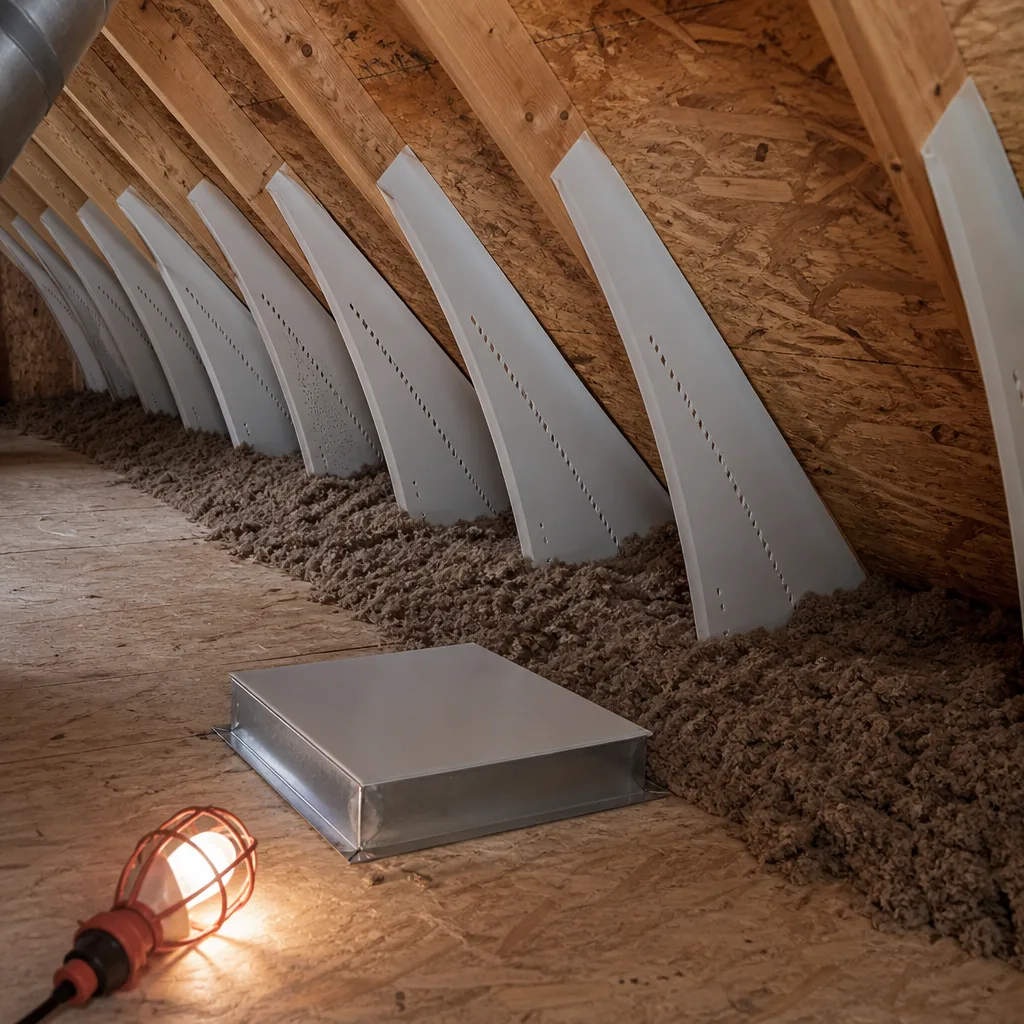
Vent baffles go in at the eaves, recessed lights and flues are protected, and the work area is covered.
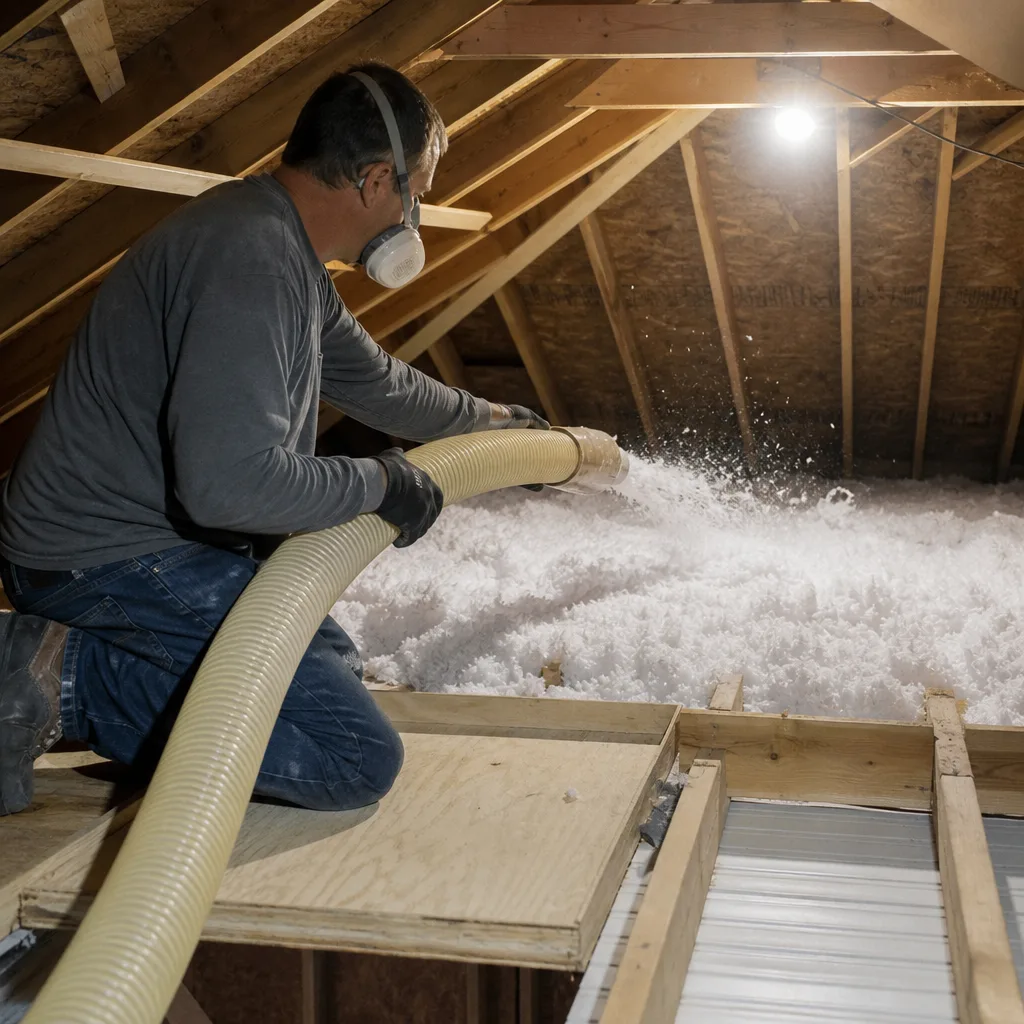
The insulation goes in at an even depth, or foam is sprayed in, depending on the plan you agreed.
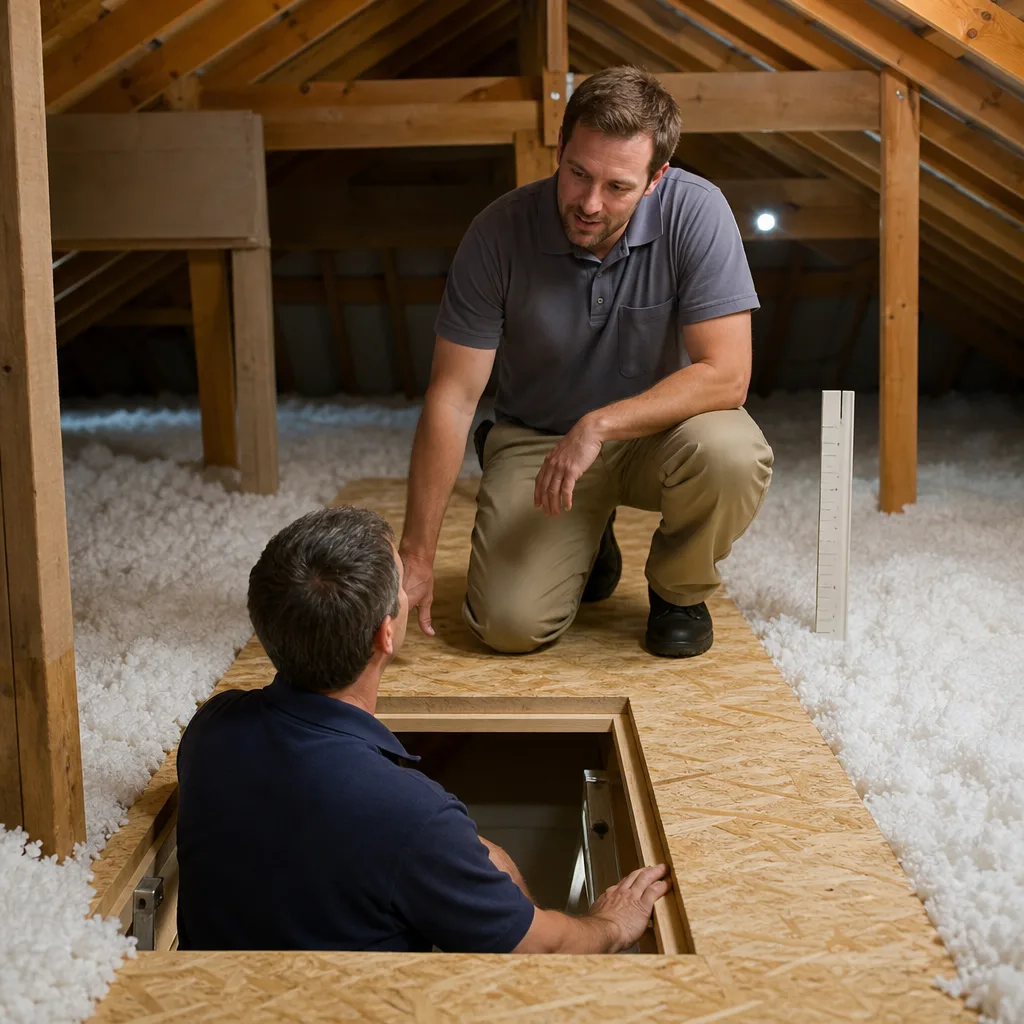
The depth is checked against the plan, the area is cleaned up and you are shown the finished work.
Steps vary with the home and the material. The written estimate lists the ones that apply to yours.
Results depend on your home, but these are the changes people usually look for.
Less difference between the rooms that run hot or cold.
Less outside air coming in around the attic hatch, outlets and edges.
Insulation can help lower heating and cooling costs, depending on the home.
Insulation in walls and ceilings can take the edge off outside noise.
Results vary with the home, the climate and how the house is used.
There is no single price for every home. These are the things that move the number, and each one is written into your estimate.
More square footage means more material and more time.
Blown-in, spray foam, batts and radiant barrier price differently.
Old or damaged insulation that has to be removed adds to the job.
Sealing leaks, fitting baffles and protecting fixtures take time.
Tight attics and low crawl spaces take longer to work in.
Thicker layers use more material. The plan sets the depth for your home.
Heat, cold and damp all find different weak spots in a house. This is what that tends to mean for the work.
Heat builds up under the roof and moves down into the rooms. Insulation depth, attic ventilation and a radiant barrier are the usual things to look at.
Air conditioning works hard for much of the year, so keeping cool air in matters as much as keeping heat out.
Air ducts that run through a hot attic lose cooling on the way, so sealing and insulating them can matter too.
Every project starts with a conversation and a written price. Here is how to take the first step.
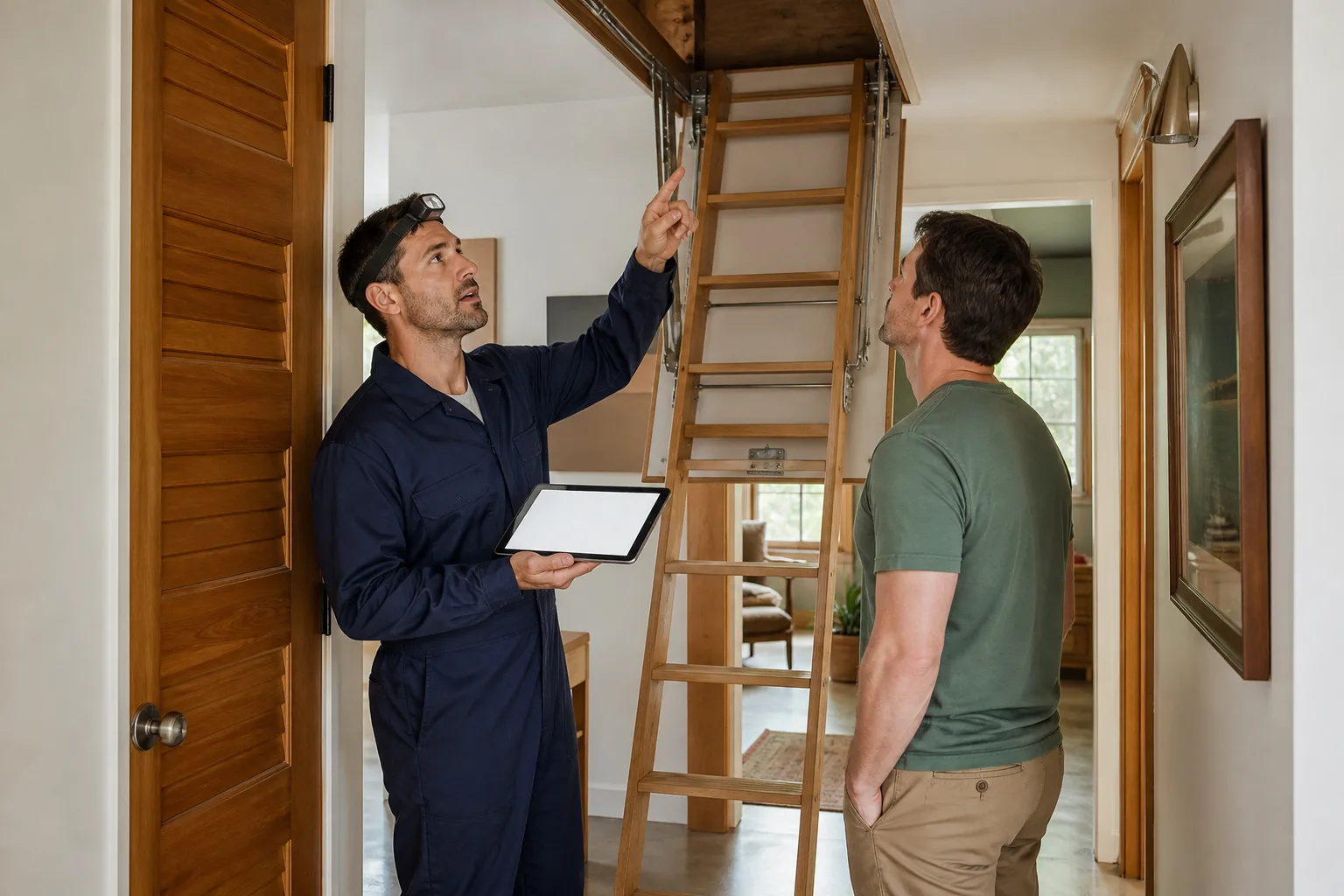
A local pro checks the attic or crawl space, shows you what is there and gives you a written, line-item price. No obligation.
Book an estimate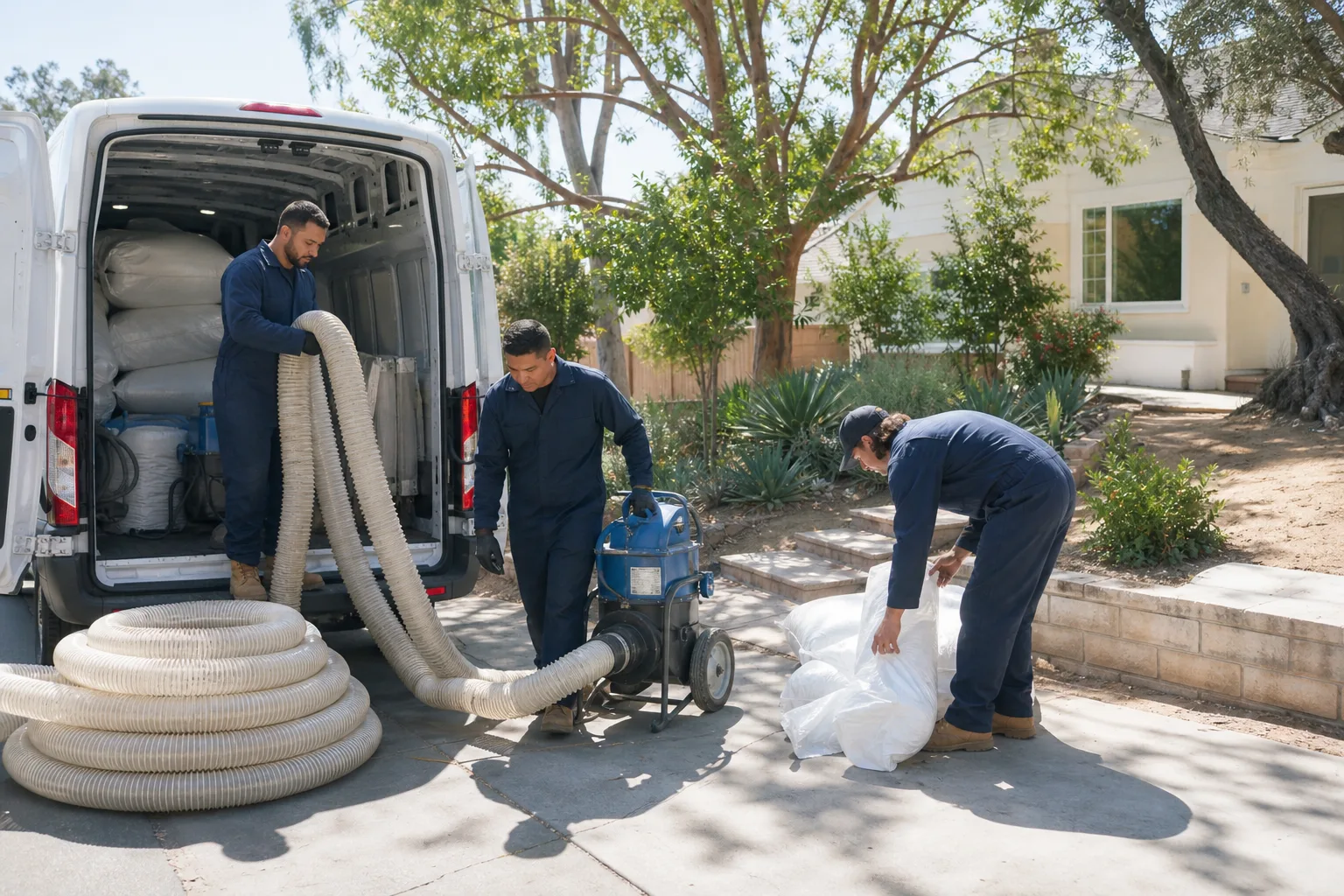
A local vetted partner works across Rancho Santa Margarita and the towns around it, and every job is priced in writing before work starts.
Areas we serve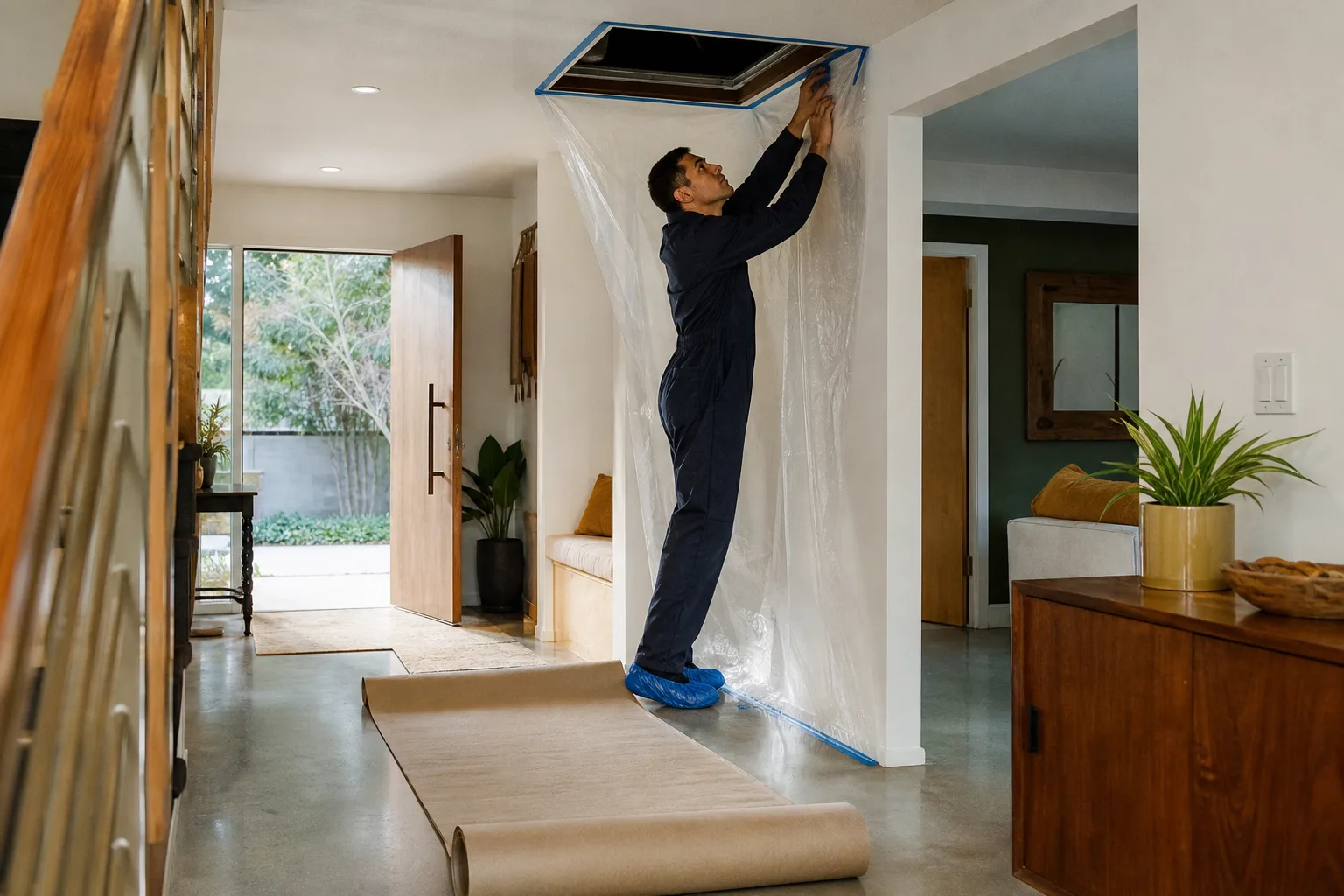
How a project runs from the first call to the finished job, and what is written down before any work starts.
How we workRooms that hold their temperature, fewer drafts and a quieter house: what good insulation work is aiming for.
Read our insulation guides



Homeowners around Rancho Santa Margarita, in their own words.
"Found and sealed a gap around the chimney chase that was basically an open chimney to the attic."

"Told me the crawlspace didn't need doing and only the attic did. Half the job, half the money."

"He did a blower door test before and after and gave me the numbers. I like being able to see the difference rather than being told about it."

"Installed baffles at the soffits so the new insulation didn't block the ventilation, which the previous contractor apparently never considered."

Straight answers about how we work.
Planning help from people who do this work every day.
How to Choose the Right Insulation Company in Rancho Santa Margarita Choosing the right insulation company in Rancho Santa Margarita comes down...
Read the guideEmergency Attic Insulation Near Me: What Rancho Santa Margarita Homeowners Should Do First If you're searching "emergency attic insulation near me Rancho...
Read the guideAttic Insulation Pricing Breakdown: What Rancho Santa Margarita Homeowners Pay in 2026Most Rancho Santa Margarita homeowners will pay between $1,800 and $4,200...
Read the guideTell us what you need - Orange County Insulation responds fast. No obligation.