Fast, Reliable Attic Insulation Across Signal Hill
Attic insulation in Signal Hill usually runs $1,800 to $4,200 for a full retrofit of a mid-century single-family home, with top-ups starting around $900. We get calls from Signal Hill homeowners every week whose attics are fighting the marine layer and losing. The salt air, the fog, the oil-field-era house quirks, and forty-year-old batts all stack up. If your upstairs rooms feel swampy in summer and clammy in winter, the attic is usually where it starts. Call (877) 680-3557 and we’ll come take a look. We know Signal Hill’s houses because we’ve worked in them for years.
Key Takeaways
- Signal Hill’s marine-layer humidity causes condensation inside attics that inland cities never see.
- Older oil-field-era homes here often have pipe penetrations and corroded hardware that degrade insulation early.
- Refitting an attic in Signal Hill typically means moisture control and ventilation first, then R-value.
- We stock insulation from Owens Corning, CertainTeed, GreenFiber, and others so the material matches the house, not our supply shelf.
Why Orange County Insulation Is Signal Hill’s Preferred Attic Insulation Company
We only do insulation. That’s the whole answer. The crew that arrives at your Signal Hill home isn’t splitting its week between roofing jobs and HVAC swaps; it’s a crew that spends every day in attics, solving exactly the problems Signal Hill attics have. Noel Carrasco leads our team and he’s built the company around one question: what’s actually happening in your attic, and what’s the right fix for this specific house.
We stock eight manufacturer brands, which matters more in Signal Hill than most places. A tight-lot bungalow off Cherry Avenue with moisture issues needs a different product than a newer place in the hills near Reservoir Hill. We’ll put CertainTeed batts where they make sense, GreenFiber cellulose where air-sealing and recycled content fit, and Icynene or Demilec spray foam where the oil-field-era penetrations demand a tight air seal. Most contractors carry one or two brands and steer you to whatever’s on the truck. We don’t work that way.
Our team has handled flat-roofed mid-century homes off Walnut Avenue, split-levels near the Long Beach line, and everything between. Response time to Signal Hill runs fast because we’re based in Rancho Santa Margarita and our routing puts Long Beach-adjacent cities on a regular loop. Insulation-only means we schedule around attics, not general contracting calendars.
Attic Cleaning Services in Signal Hill
Attic Cleaning Services in Signal Hill almost always start with one thing we find over and over here: decades of accumulated dust, rodent activity, and degraded old insulation that’s been quietly failing since the original build. We don’t just vacuum out the loose junk; we remove the failed material, inspect the deck and framing for moisture damage, check for corroded fasteners and oil-era penetrations, and prepare the cavity for whatever comes next. Homeowners who call us for cleaning are usually dealing with a smell they can’t place, a rodent infestation that left droppings throughout the insulation, or they’re about to sell and the inspection flagged the attic. A full attic cleaning in Signal Hill typically runs $700 to $1,500 depending on size and the condition of what’s up there.
What We Remove During an Attic Clean-Out
Old matted batts, loose-fill that’s been compressed and rodent-nested, and sometimes blown-in cellulose from a 1980s retrofit that’s turned to dust. We also pull out any oil-field-era debris we find: abandoned conduit, corroded pipe hangers, old roof-deck fasteners that have rusted and fallen into the insulation. If the deck has moisture stains from condensation, we’ll point that out before anything new goes in. That’s the difference between cleaning and preparing; Signal Hill attics usually need both.
When Signal Hill Homes Need It
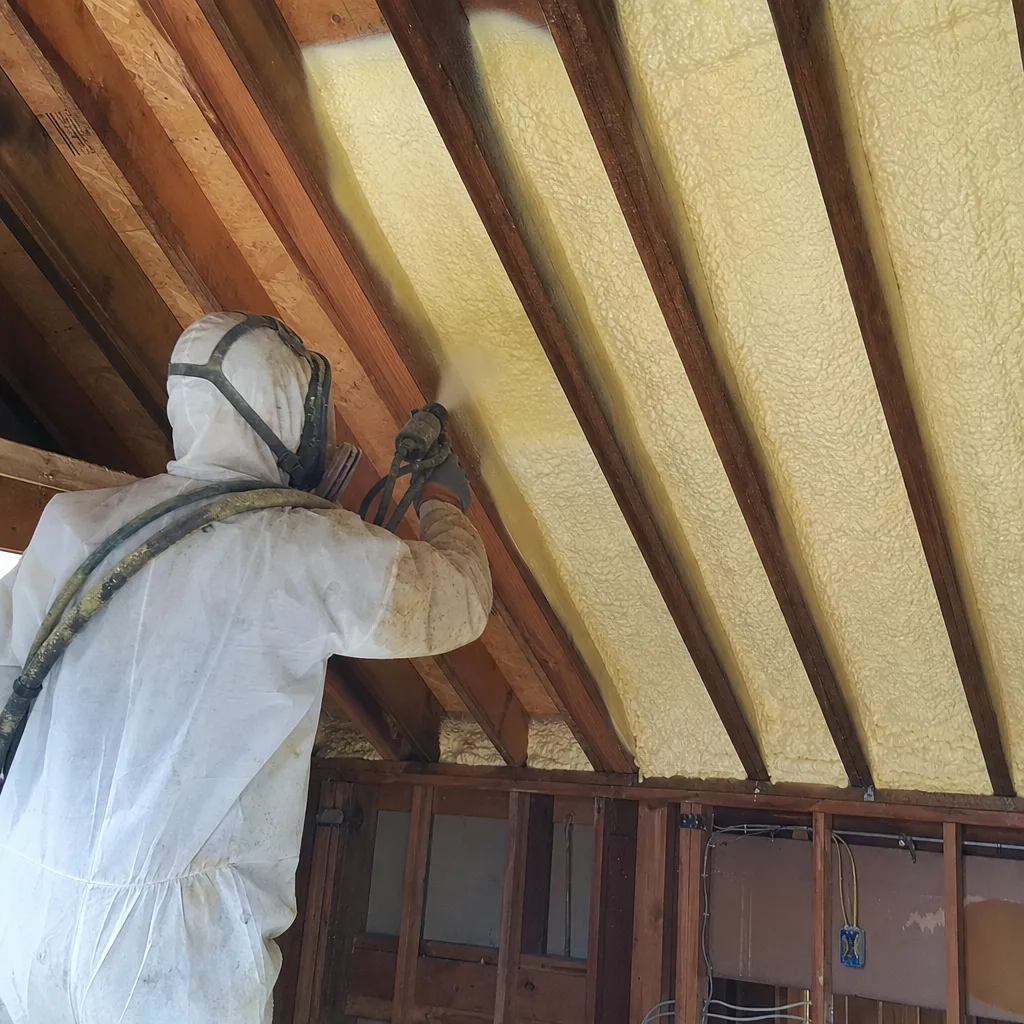
If your energy bills have climbed and you can’t figure out why, if rooms over the garage feel damp even when the rest of the house is fine, or if there’s a musty smell that follows you downstairs, the attic is the first place to look. We’ve also seen homes near the oil-field edge off Temple Avenue where old penetrations let marine air bypass the insulation entirely. In those cases, cleaning is the diagnostic step that reveals what the real fix will be.
What happens when you call
- 1
A real person answersNo phone trees — you reach a local pro.
- 2
You get an upfront price rangeHonest numbers before anyone is dispatched.
- 3
A background-checked tech heads outLicensed & insured, dispatched right away.
- 4
You approve before work beginsNothing starts until you say go.
Attic Mold Removal in Signal Hill
Attic Mold Removal in Signal Hill is a recurring call for us because the marine layer doesn’t just make things humid; it condenses on the coldest surfaces in the attic, and those surfaces are usually the metal fasteners and the underside of the roof deck. Mold forms in the fuzzy gray-brown patches you see on decking and around penetrations, and it won’t stop until the moisture source is addressed and the affected material is treated or removed. We handle the full sequence: removal of contaminated insulation, surface treatment of the deck, verification that venting is working, and then installation of new insulation that won’t just reabsorb the same moisture. Mold remediation in a Signal Hill attic typically runs $1,200 to $2,800, and the range depends on how much deck area is involved and whether old venting needs repair or replacement.
Why Signal Hill Attics Mold When Inland Ones Don’t
Fog. The marine air pushes in through soffit vents, around hatch frames, and through any gap in the envelope, then condenses when it meets the cooler deck. If the insulation is old and compressed, it sits right against that moist surface and holds it like a sponge. We see this constantly in the older homes in Signal Hill where the original mineral wool or fiberglass batts have been there since the 1950s or 1960s. The oil-field-era penetrations make it worse; each old pipe sleeve or abandoned conduit is a thermal bridge and a moisture path at the same time.
Mold Removal Before New Insulation
New insulation over a moldy deck is a waste of money. You’d be sealing the problem in. We won’t install anything until the surface is treated, dry, and the ventilation path is confirmed clear. This is the single-biggest thing we teach Signal Hill homeowners; the product only works if the cavity it lives in is dry and moving air properly.
Trusted Brands We Service in Signal Hill
We install and service insulation from Owens Corning, Johns Manville, Knauf, Rockwool, CertainTeed, Icynene, Demilec, and GreenFiber. That’s eight brands because no single product solves every Signal Hill attic. A coastal mid-century home with condensation and rodent history might get GreenFiber cellulose for moisture and pest resistance. A home where you want fire resistance and sound deadening on a tight lot might get Rockwool. A modern addition with complex penetrations might get a closed-cell Demilec spray foam. We stock local inventory for Signal Hill jobs, so we’re not waiting on a distributor’s delivery schedule when your attic is open and ready for material.
Common Attic Insulation Problems We See in Signal Hill Homes
- Fog-driven condensation saturating insulation: Marine-layer humidity condenses on cold roof-deck fasteners and old oil-era pipe penetrations, soaking the top layer of batts years before they should fail. What looks like normal aging is often a moisture problem disguised as time.
- Corroded vent fasteners and hatch frames: Sea air works on attic metal steadily. We’ve opened hatch frames that were rusted shut, which means the attic had been sealed from airflow for years, letting moisture and heat build with no path out.
- Compressed original batts on tight lots: Mid-century Signal Hill homes on small infill lots have attics that were never designed for easy access or maintenance. The original insulation gets walked on, rodent-disturbed, or blocked by oil-field-era conduit runs, and its R-value crashes without any obvious clue from the living space.
- Oil-field-era penetrations acting as thermal bridges: Old pipe sleeves, abandoned conduit, and metal chase covers punch through the attic floor and roof deck. Each one carries heat and moisture through the insulation layer, which is why two identical Signal Hill homes can have completely different temperature patterns in the rooms below.
Pricing for Attic Insulation in Signal Hill, CA
Here’s what we’re seeing in Signal Hill right now. A blow-in cellulose top-up for a typical 1,200 square foot attic runs $900 to $1,400, and that includes air-sealing around the main penetrations. A full removal and re-insulation with fiberglass batts runs $2,000 to $3,600 depending on access and how much demolition the old material requires. Spray foam, either open-cell or closed-cell, runs $3,500 to $7,500 for a full attic; closed-cell costs more but handles the marine-layer condensation problem better than anything else we install. If mold remediation is part of the job, add $1,200 to $2,800 on top. What moves the number? Attic size, how much of the old insulation has to come out, whether you have oil-era penetrations that need sealing, and whether your existing vents need repair. We give written estimates before any work starts. Call (877) 680-3557 and we’ll schedule a look at your attic, free.
We Also Serve Cities Near Signal Hill
Our crews work all around the Signal Hill area, including Signal Hill itself, plus Long Beach, Lakewood, Carson, and Hawaiian Gardens. You can read more about our overall Attic Insulation approach on the main service page, but if you’re in Signal Hill and want to talk specifics about your house and your attic, call us directly and we’ll talk about what we’ve found in homes near yours.
Serving Signal Hill, CA — Our Local Coverage Area
We’re based in the Signal Hill area and know this community well. Use the map below to see our service coverage — if you’re nearby, we can almost certainly help.
FAQs About Attic Insulation in Signal Hill
Because the marine layer here deposits condensation inside attics in a way inland cities never experience. The cold metal of roof-deck fasteners and old oil-era pipe penetrations pulls moisture out of foggy air, and that moisture gets absorbed by whatever insulation touches it. You can pile R-60 worth of fiberglass into an attic with unmanaged moisture and it’ll lose a big chunk of its performance within a season or two. We recommend vapor-management first, ventilation second, and then choose the insulation product that works with the attic’s moisture profile. Call (877) 680-3557 and we’ll assess what your specific attic needs, not just what the code table says.
Yes, and they’re a contributing factor in the majority of older Signal Hill homes we inspect. Each old pipe sleeve, abandoned conduit run, or metal chase cover creates a thermal bridge that carries heat out of the house and moisture into the attic. Insulation installed around, over, or between these penetrations rarely seals them; it just hides them. We identify and seal penetrations with closed-cell foam or appropriate sealing before any new insulation goes in. That step alone often makes a bigger difference than the R-value of the product we install.
We recommend a check every three to five years for coastal Signal Hill homes, especially those built before 1980. The salt air in the 90755 zip, plus marine fog, corrodes attic hardware steadily, and rusted vent fasteners or hatch frames fail silently. A quick inspection catches corrosion before the insulation above it gets saturated.
We won’t install new insulation over a moldy deck. We treat the affected area first, confirm the ventilation path is clear, and only then bring in the new material. Our mold removal includes contaminated insulation removal, surface treatment, and vent check; once the deck is dry and confirmed clean, we insulate. If you suspect mold, call (877) 680-3557 and we’ll confirm the extent before quoting.
We install Owens Corning, Johns Manville, Knauf, Rockwool, CertainTeed, Icynene, Demilec, and GreenFiber. For Signal Hill’s mid-century small-lot homes, the most common choices are GreenFiber cellulose for moisture and pest resistance in tight cavities, certainTeeed fiberglass batts where budget and access are straightforward, and Icynene or Demilec spray foam where oil-era penetrations demand a true air-seal. We pick based on your attic and your budget, not on what we happen to have in the truck.
Signal Hill Attics Are Different. We Treat Them That Way.
Signal Hill sits directly on an active oil field and is ringed by Long Beach, so our crews routinely find attic cavities laced with old oil-era pipe penetrations, abandoned conduit, and roof-deck hardware that has corroded from marine-layer humidity, conditions you don’t get in inland Orange County cities. The housing stock is mostly mid-century single-family and small multi-family on tight lots, fully built out, with little new construction. That means every attic we open is a retrofit: original or minimally updated insulation from decades ago, compact access, and a marine air mass pushing moisture into every gap.
On a mid-century house off Temple Avenue near the oil-field edge, our crew found the attic hatch frame and old vent fasteners rusted tight and the original mineral wool matted down with fog-driven condensation. We pulled the degraded batts, treated the moist deck for surface mold, and re-blew GreenFiber cellulose to a consistent depth with new vent baffles to keep the marine air moving. The homeowner immediately noticed the room over the garage went from swampy to comfortable, and we flagged the corroded hardware so it wouldn’t keep feeding moisture into the new insulation.
That’s the work we do in Signal Hill. Not fast patch jobs. Not guesswork. We look at the actual attic, find what’s actually failing, and fix it so the problem stays fixed. Call (877) 680-3557 and talk to us about what’s going on above your ceilings. Estimates are free, and we’ll tell you straight what you need and what you don’t.
Written by Noel Carrasco, Owner at Orange County Insulation, serving Signal Hill and the surrounding coastal communities.